


Japan has long been recognized as a global leader in technology and innovation. In recent years, the country has made significant strides in the field of renewable energy, driven by both environmental concerns and a strong national policy push for energy independence. Following the Fukushima nuclear disaster in 2011, the government has accelerated investments in alternative energy sources, with a particular focus on solar and wind power. This transition is crucial for Japan, a nation with limited natural resources and a high dependency on energy imports.
Today, Japan is at the forefront of developing cutting-edge solar and wind energy technologies. With initiatives such as floating solar farms and offshore wind power stations, the country is redefining what’s possible in renewable energy deployment. These innovations not only contribute to reducing carbon emissions but also stimulate economic growth through job creation and technological exports. Japan’s commitment to clean energy is setting a benchmark for other nations to follow.
Floating Solar Farms: A Breakthrough in Urban Energy Production
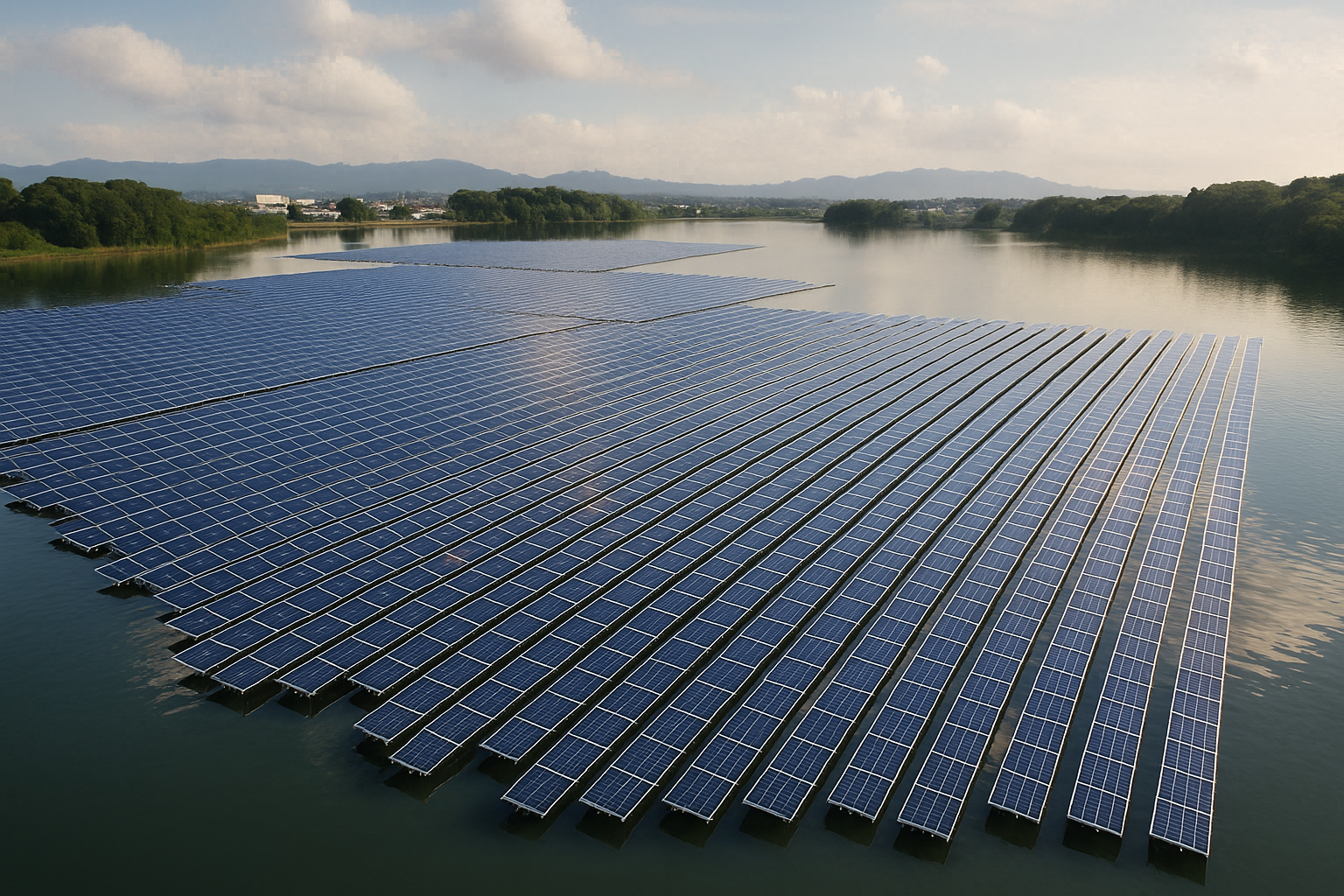
Floating solar panels are among the most promising renewable technologies currently being tested and deployed across Japan. Given the country’s limited land space, placing solar panels on water bodies such as reservoirs and lakes is an ingenious solution. These floating farms not only generate clean energy but also help reduce water evaporation and algae growth, making them doubly beneficial.
Kyocera and other major Japanese corporations are leading the way in this domain, with some of the world’s largest floating solar installations already operational. These systems are designed to withstand harsh weather and produce stable power outputs. As the technology matures, floating solar is expected to become a core component of Japan’s renewable energy portfolio, especially in densely populated urban areas.
Offshore Wind Farms: Harnessing Ocean Power
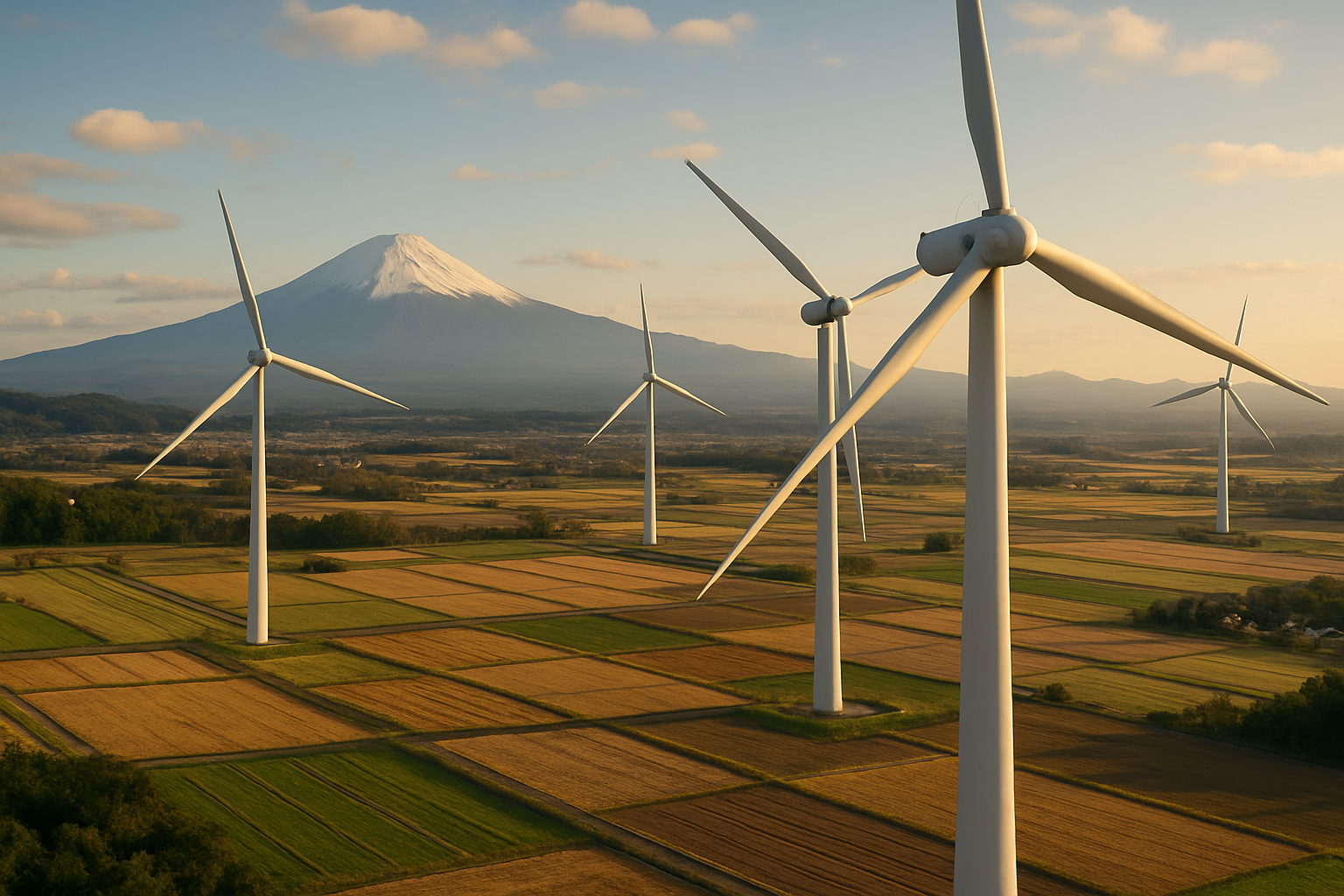
Japan is also making substantial progress in the development of offshore wind energy. With a vast coastline and strong, consistent sea winds, the country is ideally positioned to exploit this resource. The government has laid out ambitious plans to expand offshore wind capacity by awarding new contracts and funding pilot projects along the western and northern coasts.
Recent technological advances have allowed Japanese companies to build floating wind turbines that can operate far from shore, reducing the visual impact and opening new areas for energy production. These turbines are being tested for efficiency, durability, and environmental impact. As they become more cost-effective, offshore wind farms are poised to become a significant part of Japan’s renewable energy mix.
Smart Grids and Energy Storage Innovations
One of the main challenges of renewable energy is its intermittent nature. Japan is addressing this with the development of smart grids and advanced energy storage systems. Smart grids use AI and real-time data to balance supply and demand, making energy distribution more efficient and reliable. These systems are particularly useful for integrating variable sources like solar and wind.
Battery technology is another area where Japan is innovating rapidly. Companies such as Panasonic and Toshiba are creating high-capacity, long-life batteries that can store excess energy for later use. These innovations are not only helping stabilize the national grid but are also essential for the growth of electric vehicles and decentralized power systems.
Government Policies and Private Sector Collaboration
Japan’s renewable energy boom is being driven by a combination of forward-thinking government policies and active collaboration with the private sector. Incentives like feed-in tariffs, research grants, and tax benefits have encouraged companies to invest heavily in green technologies. At the same time, regulatory reforms are making it easier for startups and smaller firms to enter the market.
Major conglomerates, including Hitachi and Mitsubishi, are investing billions into renewable projects both domestically and abroad. Public-private partnerships have also led to the creation of innovation hubs and testing facilities, where new technologies are being developed and refined. This synergy between policy and enterprise is critical for achieving Japan’s ambitious energy targets.
A Renewable Future in the Making
Japan’s commitment to renewable energy is more than just a response to past crises—it is a proactive step toward a sustainable and independent energy future. By investing in technologies like floating solar panels, offshore wind turbines, and advanced energy storage, the country is laying the groundwork for a cleaner, greener society.
The success of Japan’s approach lies in its ability to combine innovation, policy, and environmental stewardship. As these technologies continue to evolve and scale, Japan is not only reducing its carbon footprint but also offering a model for other nations seeking to transform their energy systems. The future of renewable energy in Japan is not only promising—it is already unfolding.