


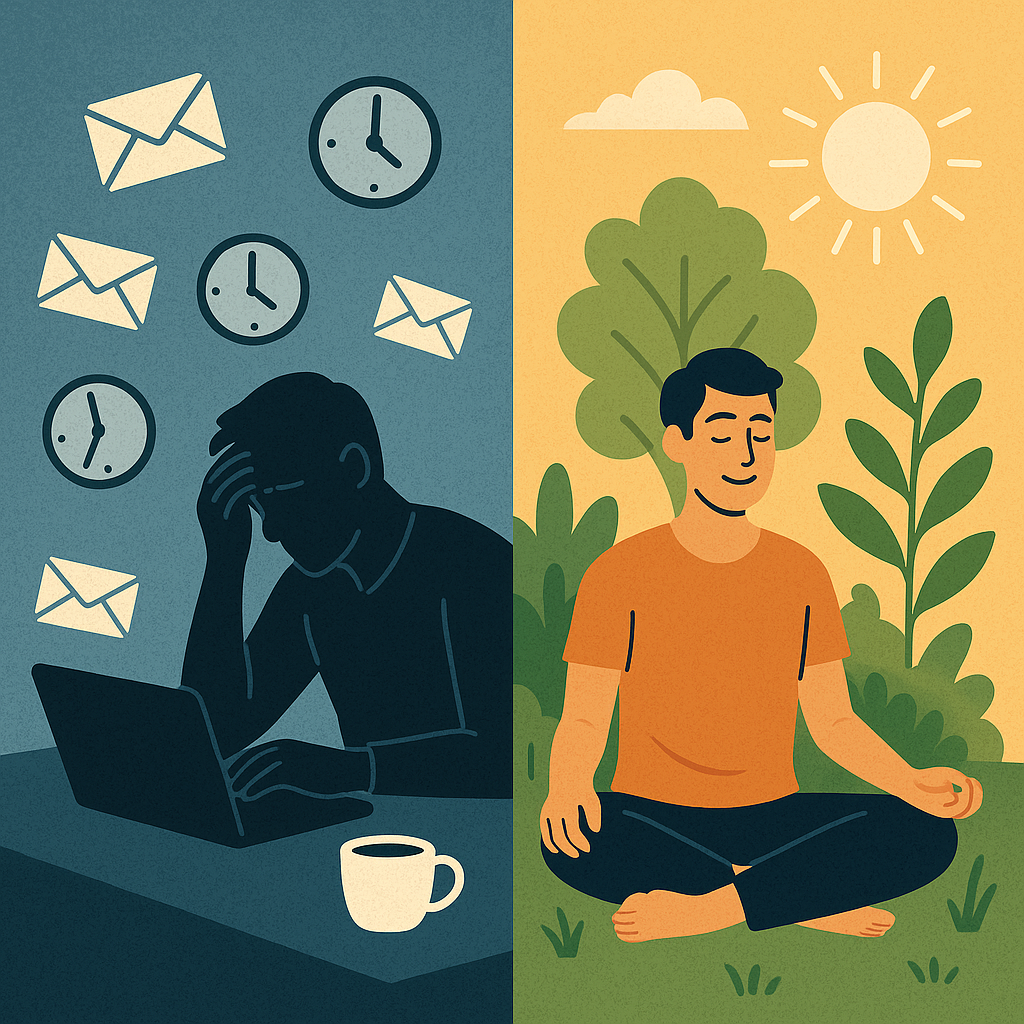
For years, American work culture glorified the grind—long hours, constant connectivity, and the hustle mentality. But after a global pandemic, mass resignations, and a collective mental health reckoning, something is shifting. A new wave of wellness habits is reshaping how Americans approach both work and life.
Burnout: A Wake-Up Call
Burnout is no longer just a buzzword. It’s a real, widespread issue that has driven workers across industries to rethink their routines. The relentless pressure to perform, stay online, and climb the corporate ladder left many feeling drained, anxious, and disconnected from what truly matters.
Moreover, burnout is increasingly being seen as a systemic issue rather than an individual failing. Mental health professionals, HR leaders, and even top executives are recognizing that exhaustion is not a personal weakness but a symptom of unsustainable work structures. This acknowledgment is a crucial step toward meaningful change.
The Rise of Wellness Habits
Across the country, individuals and organizations are embracing healthier work habits. These aren’t indulgences anymore—they’re becoming vital components of a sustainable lifestyle.
Wellness programs are expanding to include therapy sessions, breathing breaks, and even incentives for activities like gardening, meditation, or reading. Technology is also playing a role, with apps and platforms that monitor mood, energy, and engagement throughout the day becoming integrated into daily routines.
Companies Are Catching On
Forward-thinking companies are redesigning their workplace cultures around wellness. They’re investing in mental health support, promoting the use of paid time off, and even piloting four-day workweeks. The message is clear: a healthier workforce is a more productive one.
This evolution is also transforming how organizations attract and retain talent. Companies that prioritize work-life balance are gaining a competitive edge by appealing to professionals who value well-being as much as compensation and career growth.

Redefining Success
Ultimately, this shift isn’t just about self-care—it’s about reimagining what success looks like. Americans are realizing that balance doesn’t mean doing less, but rather doing what matters, and doing it sustainably.
This new definition of success values not only career achievements but also emotional well-being, personal relationships, and quality time. The old mantra of “live to work” is finally giving way to a more human-centered philosophy: “work to live.”