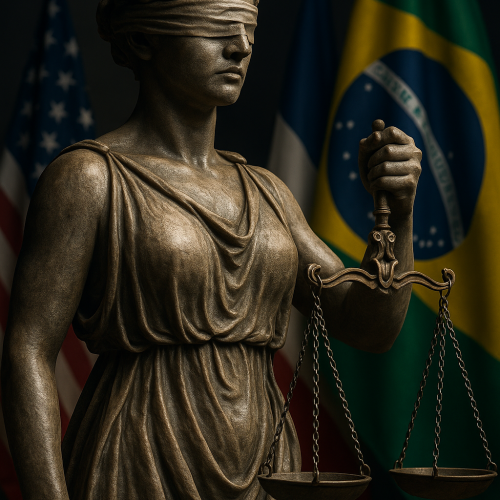
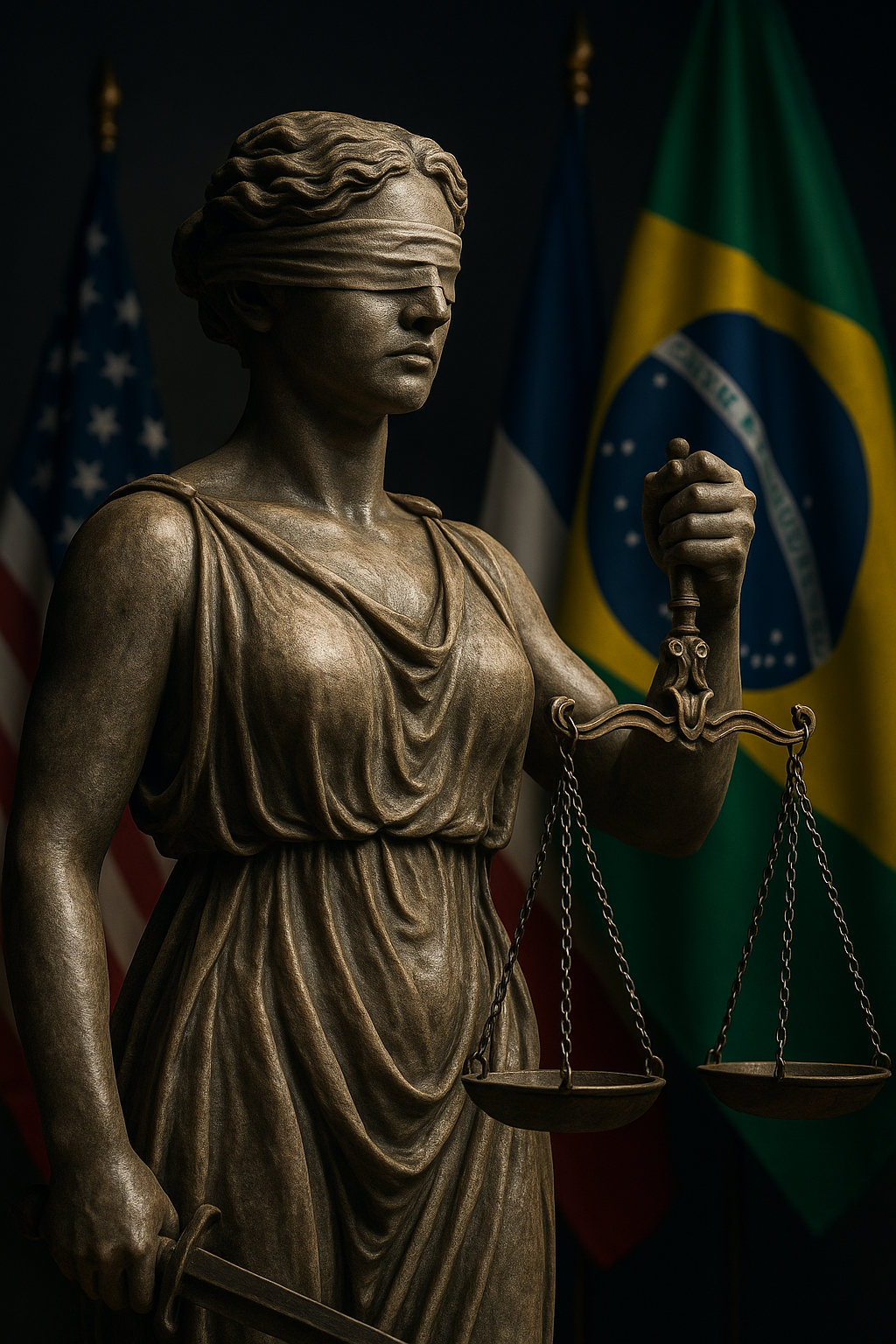

The Magnitsky Act, originally passed by the United States Congress in 2012, was named after Sergei Magnitsky, a Russian lawyer who uncovered a massive tax fraud involving government officials and was later imprisoned and killed under suspicious circumstances. This legislation was designed to impose targeted sanctions—such as asset freezes and travel bans—on individuals involved in human rights abuses and corruption anywhere in the world. Since then, the law has expanded to become a powerful instrument in global human rights advocacy.
The law’s influence has grown beyond the United States, inspiring similar legislation in countries such as Canada, the United Kingdom, and members of the European Union. By focusing on individual accountability, the Magnitsky Act avoids punishing entire nations for the crimes of a few. Instead, it strikes at the personal privileges of perpetrators, offering a pathway for justice when domestic systems fail. It has become a beacon of hope for activists and dissidents around the world who seek accountability for those who abuse power.
The Historical Roots and Purpose of the Magnitsky Act
Sergei Magnitsky’s death became a symbol of the dangers faced by whistleblowers in authoritarian regimes. After he exposed a \$230 million tax fraud by Russian officials, Magnitsky was detained without trial, denied medical care, and ultimately died in prison in 2009. His case drew international outrage, prompting the U.S. government to act decisively. The Magnitsky Act was born out of this tragedy, ensuring that perpetrators of such abuses cannot find safe haven in democratic countries.
The act’s broader purpose is to hold accountable those who commit gross human rights violations or engage in significant corruption. It gives governments the legal framework to freeze assets and deny visas to these individuals, disrupting their ability to benefit from ill-gotten gains. It is a moral response to the inadequacies of international law, particularly when international bodies are slow to act or compromised by political interests.
Cases Where the Magnitsky Act Has Been Used
Since its enactment, the Magnitsky Act has been used against numerous individuals from various countries. Russian officials involved in Magnitsky’s case were the first to be targeted, but the scope quickly broadened. Sanctions have been applied to officials from China, Saudi Arabia, Myanmar, and Venezuela, among others. The sanctioned individuals are typically implicated in torture, extrajudicial killings, forced disappearances, and large-scale corruption.
For example, in 2018, the U.S. sanctioned 17 Saudi officials for their involvement in the murder of journalist Jamal Khashoggi. In Myanmar, military leaders responsible for the Rohingya genocide were targeted. These examples illustrate the act’s capacity to pressure powerful individuals without resorting to war or broad economic sanctions that harm ordinary citizens.
A New Frontier: Brazil’s Supreme Court and the Magnitsky Act
Growing international concern has arisen around the actions of Brazil’s Supreme Federal Court (STF), particularly Justice Alexandre de Moraes. Accusations have emerged regarding political persecution, censorship, and abuse of power against opposition figures and journalists. These actions, seen by many as violations of civil liberties and democratic norms, may soon draw the attention of lawmakers and organizations advocating for Magnitsky sanctions.
Several international human rights organizations have begun documenting potential abuses committed under Moraes’ leadership. These include arbitrary detentions, suppression of political dissent, and digital censorship. Calls are increasing for the United States and allied countries to investigate and potentially apply Magnitsky-style sanctions against Brazilian authorities who undermine democracy and individual freedoms.
Why Brazilian Authorities May Be Targeted
Brazilian authorities, particularly within the STF and certain sectors of the federal police, have been accused of systematically silencing dissent. Prominent political opponents have faced arrest without due process, and social media platforms have been ordered to block or censor specific accounts and content. These actions resemble tactics used by authoritarian regimes and raise alarms in the international community.
Evidence continues to mount that some Brazilian institutions are operating beyond their constitutional limits. If these trends persist, and especially if judicial and legislative avenues within Brazil fail to provide checks and balances, foreign governments may see Magnitsky sanctions as a necessary tool. They would serve both as a symbolic stand for democracy and as a real-world consequence for the erosion of human rights in Latin America’s largest democracy.
The Global Implications and the Road Ahead
As more countries adopt Magnitsky-style laws, the potential for coordinated international action grows. Brazil, as a member of the international community and a signatory to various human rights treaties, may find itself under increasing scrutiny. If proven abuses continue without accountability, calls for sanctions will likely intensify from both civil society and international watchdogs.
In the coming years, the Magnitsky Act and similar legislation may become critical mechanisms to deter power abuses even in traditionally democratic countries. The international community must ensure that these laws are applied fairly, consistently, and transparently. When used wisely, they represent a significant evolution in the global fight for justice, capable of protecting rights where domestic systems fall short.
Justice Without Borders
The Magnitsky Act has proven to be a vital tool in holding powerful individuals accountable, regardless of their nationality or position. Its use sends a clear message: corruption and human rights abuses will not be tolerated. As the world becomes more interconnected, laws like this ensure that there are consequences for those who exploit systems of power for personal or political gain.
If the documented abuses in Brazil continue to mount, especially under the STF’s controversial actions, the Magnitsky framework offers a lawful and targeted response. Applying such sanctions may finally bring a measure of justice to victims and signal to would-be abusers that the international community is watching—and prepared to act.