


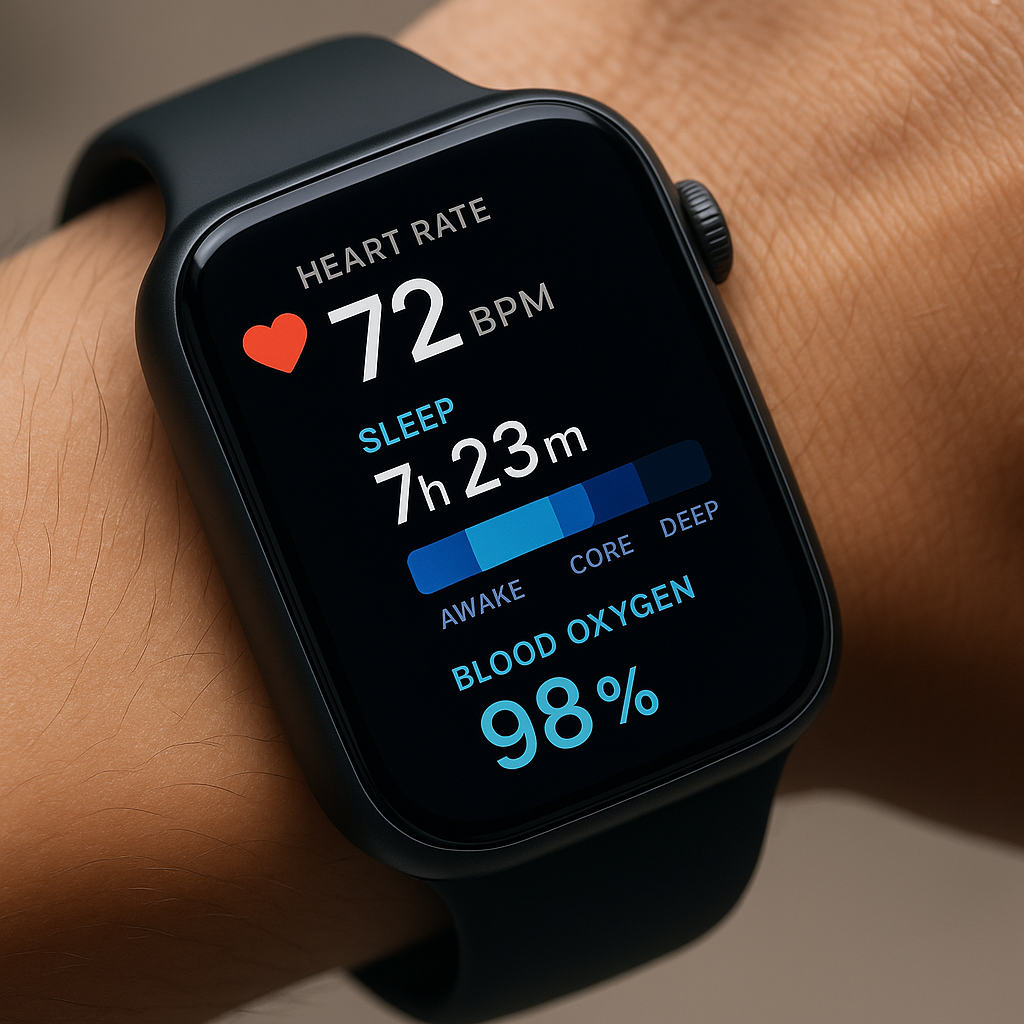
Wearable technology is no longer limited to counting steps or tracking workouts. In 2025, it’s become a powerful extension of our bodies offering insights into our health, improving productivity, and even enhancing how we interact with the world around us.
From Fitness to Full-Spectrum Health
What began with basic fitness trackers has evolved into advanced health monitoring tools. Modern smartwatches now measure blood oxygen levels, detect irregular heart rhythms, and even alert users to signs of stress or fatigue. Some wearables can now track menstrual cycles, monitor sleep stages, or warn of potential medical emergencies in real time.
With AI integration, these devices don’t just collect data they analyze it. This allows users to receive personalized health recommendations, early alerts about health risks, and actionable feedback to improve their well-being.
Beyond Health: Wearables in Daily Life
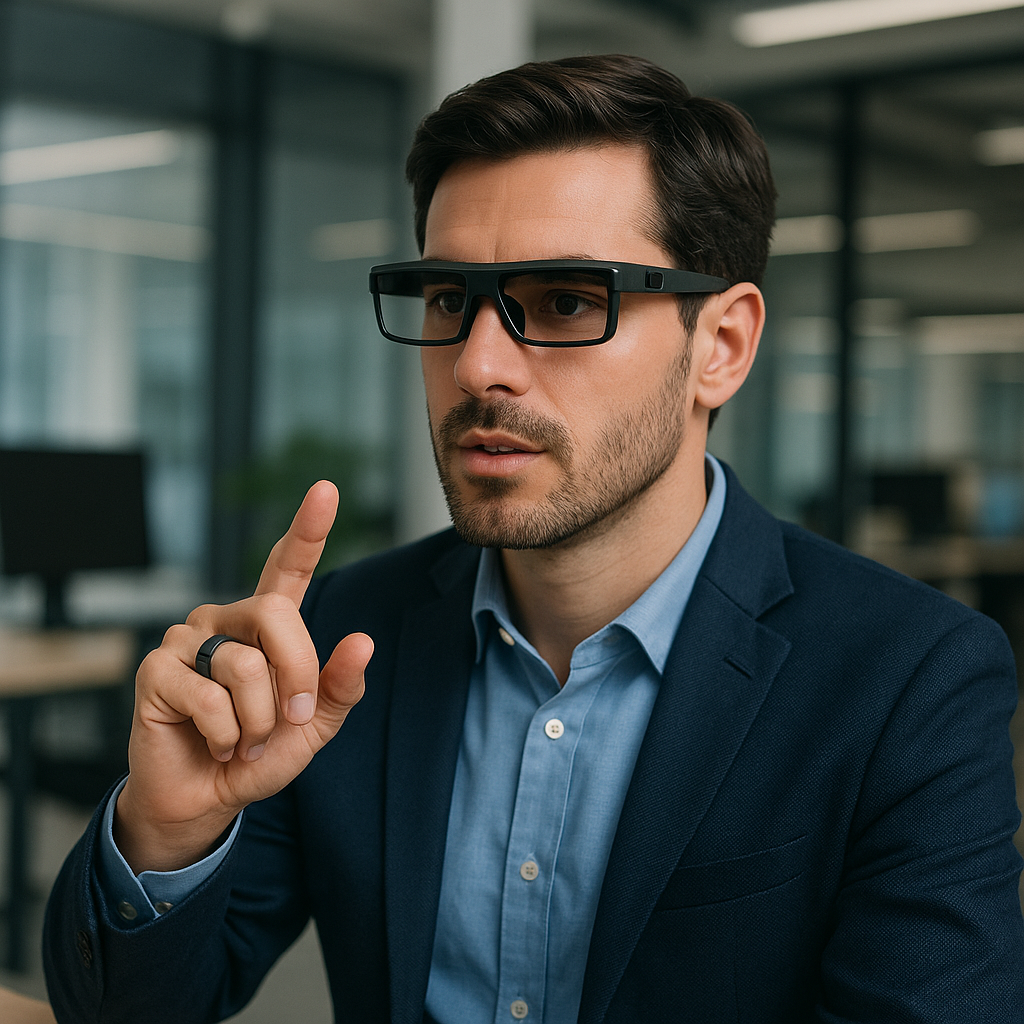
Wearable tech is also transforming how we work and communicate. Smart rings and glasses offer gesture controls, discreet notifications, and even real-time translation. In workplaces, wearables are used for hands-free access to information, productivity tracking, and safety monitoring especially in industries like logistics and healthcare.
Wearables are also key players in augmented and virtual reality, with headsets enabling immersive training, remote collaboration, and entertainment experiences.
Privacy and the Future
As wearables collect more personal data, privacy has become a major concern. Responsible design, secure data handling, and transparency about how data is used will shape the future of this technology. The more these devices know about us, the more trust users must place in their creators.
Final Thoughts
Wearable tech has moved far beyond the gym. It’s becoming an integral part of daily life, supporting our health, connecting us in new ways, and enhancing how we work and play. As technology continues to miniaturize and integrate more seamlessly, wearables are poised to become invisible but essential companions in the digital age.